Affordable Housing
Public-private partnerships, smart zoning reform, and federal support can make starter homes affordable for working families. Every generation deserves a fair shot at homeownership.
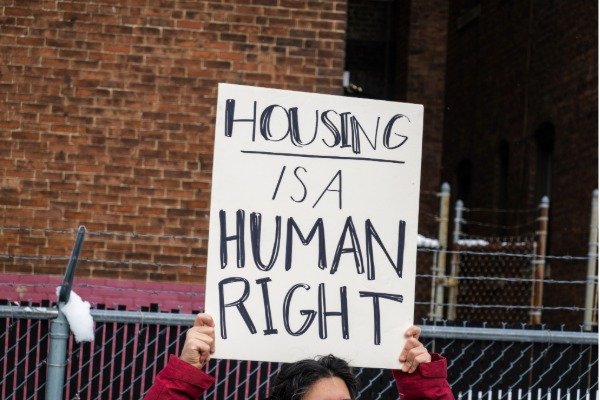
Market forces continue to drive housing costs beyond the reach of working families. Interest rates, building materials, and location all contribute to rising home prices, but these aren’t insurmountable challenges. We have proven strategies available—we simply need the political will to implement them.
The American Dream of homeownership shouldn’t be reserved only for the wealthy. Young families, teachers, nurses, and trades workers deserve a path to building equity and securing their financial futures.
Yet today, starter homes that previous generations could afford on a single income now require two incomes and remain out of reach for many.
Making Homeownership Possible Again
If you’re a young person trying to buy your first home right now, or a parent watching your children struggle with housing costs, you already know the system isn’t working. Interest rates, building materials, and location all play a role in driving up prices, but the real issue is this: we’ve made homeownership far more difficult than it needs to be.
Young families are working just as hard as previous generations but finding homeownership increasingly out of reach. That’s not a market force—that’s a policy failure.
While Washington debates, families right here in Indiana’s 4th District are making tough choices—living with parents longer than they’d like, or spending years renting when they could be building equity. We can do better, and I’m ready to fight for solutions that actually work.
Proven Solutions We Can Implement Now
I’m not proposing untested theories. These are strategies that are already working in communities across America. We just need the commitment to bring them home.
1) Public/Private Partnerships for Affordable Starter Homes
When the federal government, local municipalities, and private developers work together, real progress happens. The federal government provides funding and standards, local leaders contribute planning expertise and community knowledge, and developers bring construction efficiency. Together, they can create well-planned, higher-density starter home communities that young families can actually afford—not luxury developments or investor properties, but real homes for working people.
2) Smart Zoning Reform and Land Utilization
I’ve spoken with developers across our district, and they consistently report the same problem: excessive regulations and lengthy permitting processes add tens of thousands of dollars to each home before construction even begins. We need local governments to review their zoning laws with a simple question in mind: does this regulation protect safety and quality, or does it just make housing more expensive?
Additionally, many municipalities own surplus land that remains unused. By offering this publicly owned land to developers committed to building affordable starter homes, we can significantly reduce the single largest cost in housing development. This isn’t giving away taxpayer assets—it’s investing them strategically to create opportunities for our neighbors and strengthen our communities.
3) Meaningful Federal Support for First-Time Buyers
The federal government must provide targeted assistance that makes a real difference. This includes tax incentives designed specifically for first-time homebuyers, subsidized purchase programs for qualified families, and interest rate protections on starter home mortgages to prevent predatory lending. These aren’t handouts—they’re investments in hardworking Americans who deserve a fair chance at homeownership.
Learning from What Works: The Rapid Rehousing Model
The Rapid Rehousing program demonstrates exactly how effective these partnerships can be. By bringing together state and local governments with private developers, this initiative has successfully created affordable housing solutions that are working right now to address homelessness in communities nationwide.
If we can effectively house our most vulnerable populations through collaborative partnerships, we can certainly help working families achieve homeownership. The framework exists—we simply need to expand and apply it.
Why This Matters to Our District
An entire generation is being priced out of homeownership and the wealth-building opportunities it provides. Young families—teachers, nurses, tradespeople—are working just as hard as previous generations but finding the path to homeownership increasingly out of reach.
Here in Indiana’s 4th District, where 38% of residents live in rural areas, affordable housing directly impacts whether our communities thrive or decline. When young people can’t afford to live where they grew up, our small towns lose population, schools lose students, and local businesses lose customers.
As your representative in Congress, I’ll work to bring these proven solutions to our communities. Every generation of Americans has had the opportunity to build equity through homeownership. The next generation deserves that same chance, and together, we can make it happen.

Donate today
Affordable housing builds strong communities. Your support helps us fight for policies that give young families a fair shot at owning a home and keeps our towns thriving. Every contribution makes a difference.

Affordable Education
Strong schools are the foundation of opportunity. See how we’re fighting to support teachers, make college affordable, and ensure every child gets a quality education regardless of their ZIP code.

Affordable Healthcare
Quality healthcare shouldn’t bankrupt families. Read about our commitment to breaking up insurance monopolies and bringing accessible, affordable healthcare to every corner of our district.